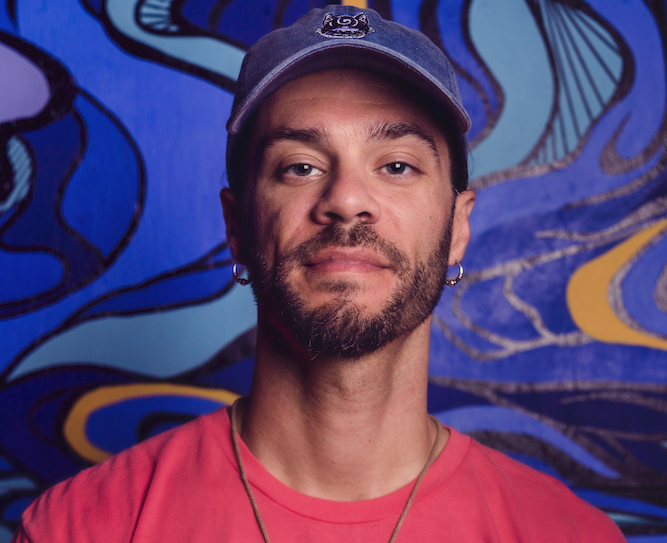
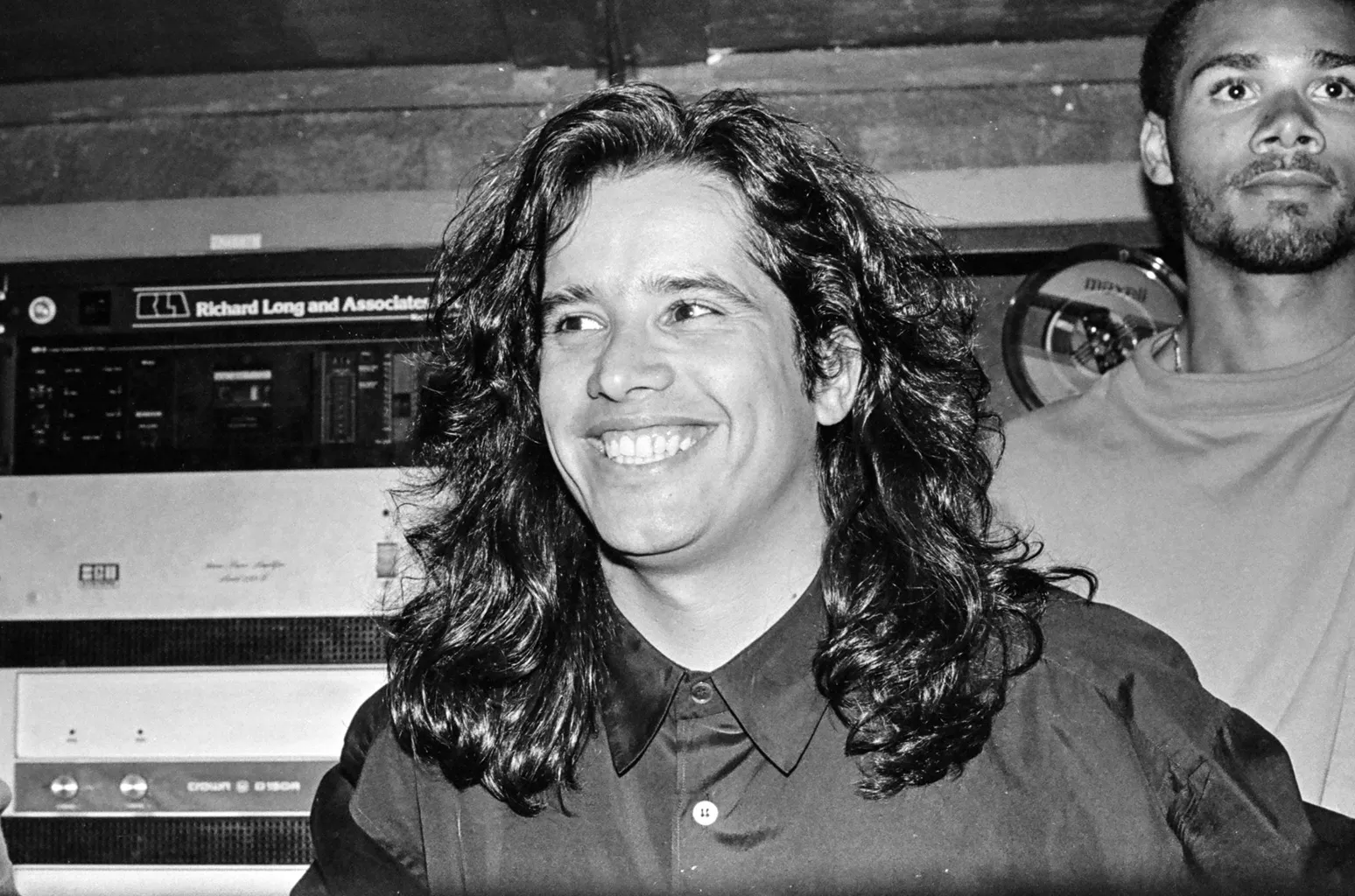
.svg)

De Wolverhampton à Londres : Alexander Nut, l’alchimie entre soul, house et broken beat

Fondateur d'Eglo Records et DJ de formation hip-hop, Alex Nut revient sur un parcours construit entre pirate radio, clubs londoniens et une vision musicale bien variée.
Salut Alex, on a récemment écouté ton DJ set enregistré au We Out Here Festival et on a adoré. Il y a beaucoup d’influences différentes qui se rejoignent dans un mix très cohérent : soul, house, boogie… On sent vraiment un background de DJ où les choix musicaux sont soigneusement pensés et le mix orienté vers le dancefloor. Peux-tu nous raconter comment tu t’es formé en tant que DJ ? Comment tout a commencé, et quelles ont été tes principales influences ?
ENGLISH VERSION BELOW
J’ai toujours vu ce que je joue comme une fusion de différents sons et styles issus de la musique noire, filtrés à travers mon expérience de DJ hip-hop en Angleterre, puis enrichis par différentes musiques électroniques. J’ai commencé à mixer à la fin des années 90, à 16 ans. J’ai toujours aimé et collectionné toutes sortes de musiques : soul, jazz, funk, rock, R&B, jungle, broken beat… mais le hip-hop était l’une de mes premières grandes passions quand j’ai commencé.
Je viens de cette “breakbeat continuum”. Je suis un DJ au sens traditionnel, old school. J’ai été inspiré par des artistes comme Massive Attack / Wild Bunch, Soul II Soul, DJ Red Alert, Kenny Dope, Funkmaster Flex, Grandmaster Flash, J.Rocc, Kid Capri, etc.
En grandissant à Wolverhampton, une petite ville des West Midlands, je n’avais pas de mentor, je ne connaissais pas d’autres DJs, il n’y avait pas Internet, juste la radio, les mixtapes et les magazines. J’ai dû me débrouiller seul. En parallèle, je sortais beaucoup en club, où je découvrais davantage de musiques électroniques : house, jungle, techno… Tout s’est naturellement mélangé pour moi. J’ai fait mes armes sur des radios pirates. De 16 à 30 ans, j’étais littéralement en club toutes les semaines, sur le dancefloor, à absorber tous ces sons. Quand je suis arrivé à Londres au début des années 2000, j’ai commencé à fréquenter Plastic People, et ce club m’a profondément marqué. Il a énormément influencé mon style de DJ, m’encourageant à développer mon propre univers et à exprimer ma personnalité musicale.
On a déjà décrit ce que je fais comme une musique qui “relie les points” : peu importe le style ou le genre, tout fait sens pour moi et suit un fil conducteur. Et quand je joue en club, mon objectif reste de faire danser les gens. Aujourd’hui, je joue beaucoup de house, soul, jazz et broken beat, mais ma passion pour la musique reste totalement ouverte.
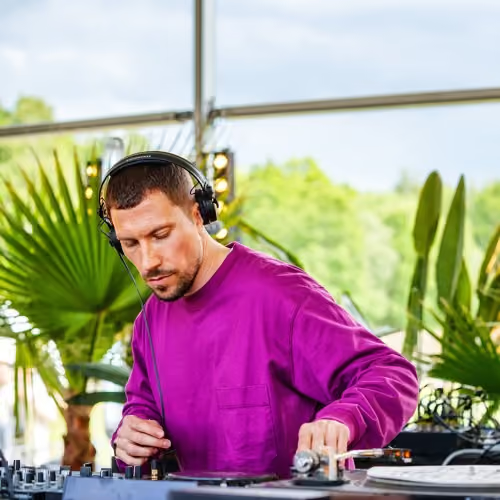
Tu diriges Eglo Records depuis 2008 (la même année que la création de La Mona). Te sens-tu appartenir à une lignée de labels avant-gardistes comme Warp ou Ninja Tune, qui ont façonné une vision particulière de la musique électronique britannique ? Est-ce important pour toi ?
Les labels qui m’ont inspiré sont Reinforced, Def Jam, Metroplex, Metalheadz, Talkin Loud, People, Stones Throw, Curtom, Motown, FFRR, Sound Signature, Fania… et bien d’autres. Leur diversité est aussi grande que celle de la musique que je joue.
Mais tous capturent une énergie particulière et ont une identité forte. Il serait facile de collaborer avec des artistes au hasard qui font de la bonne musique, mais j’ai toujours voulu construire quelque chose de cohérent, qui capture un moment, une énergie. Et aussi repousser un peu les limites. Je pense qu’on y est parvenus.
Allais-tu souvent en club avant de devenir DJ ? Si oui, lesquels t’ont le plus marqué ?
Oui, énormément. J’ai fréquenté les clubs sans arrêt pendant environ 20 ans et ça continue encore aujourd’hui, même si maintenant j’y joue davantage. Quelques lieux et soirées marquants, dans l’ordre chronologique : Stump Juice au Connaught Hotel à Wolverhampton, RAW au Rico’s Nightclub, The Medicine Bar à Birmingham, Movement au Bar Rumba à Londres, des soirées à Herbal, Fabric Live, les soirées BBE, The Key et The Cross à King’s Cross…
Et bien sûr Plastic People, avec des soirées comme FWD, CDR, Theo Parrish, Co-Op, Nonsense, Lost… mais aussi Deviation au Gramophone, Cargo à Londres, ou encore Mr Scruff au Band On The Wall à Manchester.
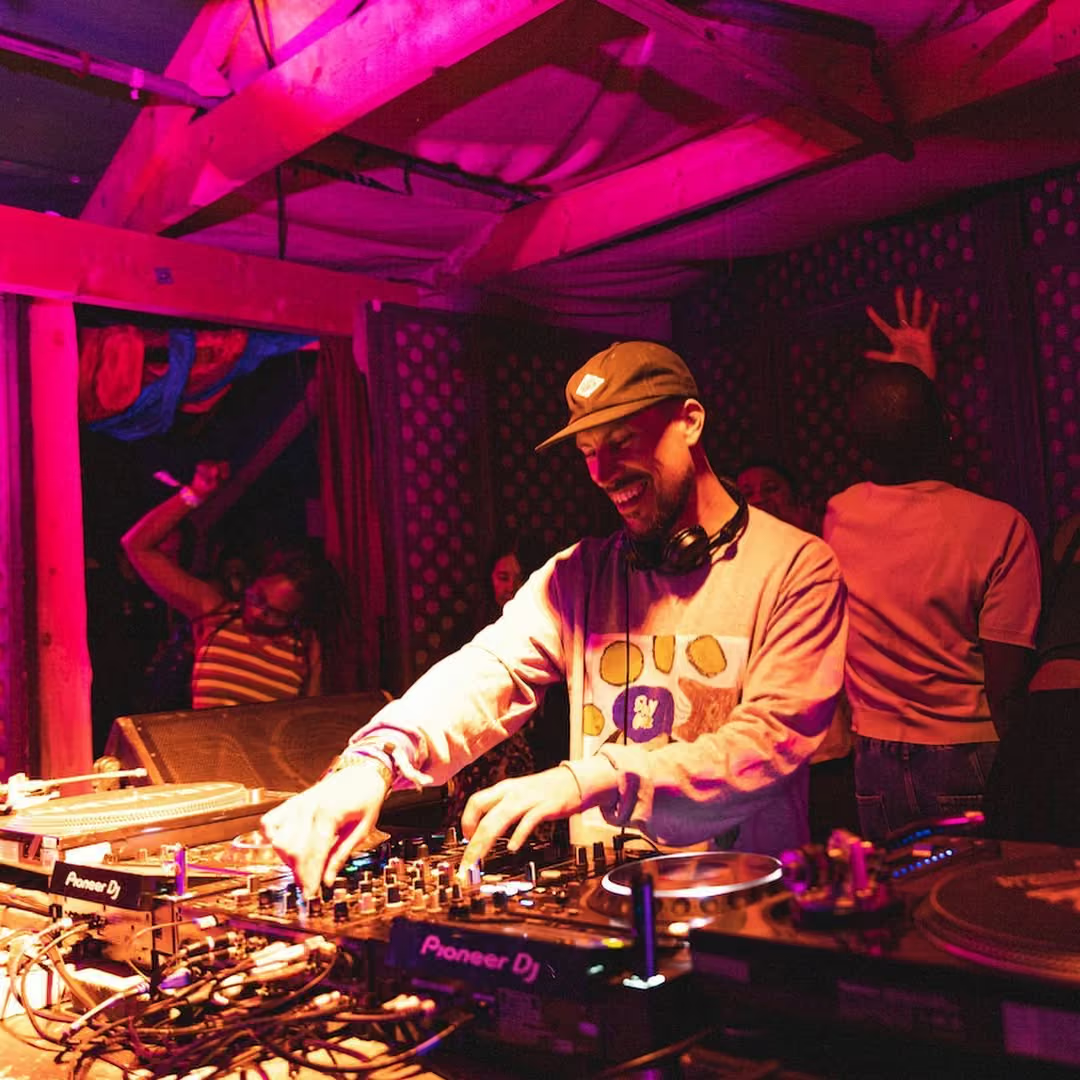
Tu organises aussi tes propres soirées autour du label. Quelle importance ont-elles pour toi et pour la communauté Eglo ?
Je fais de la promotion de soirées depuis longtemps, mais celles du label sont particulièrement spéciales. Elles permettent de rassembler une communauté avec laquelle créer, partager et danser.
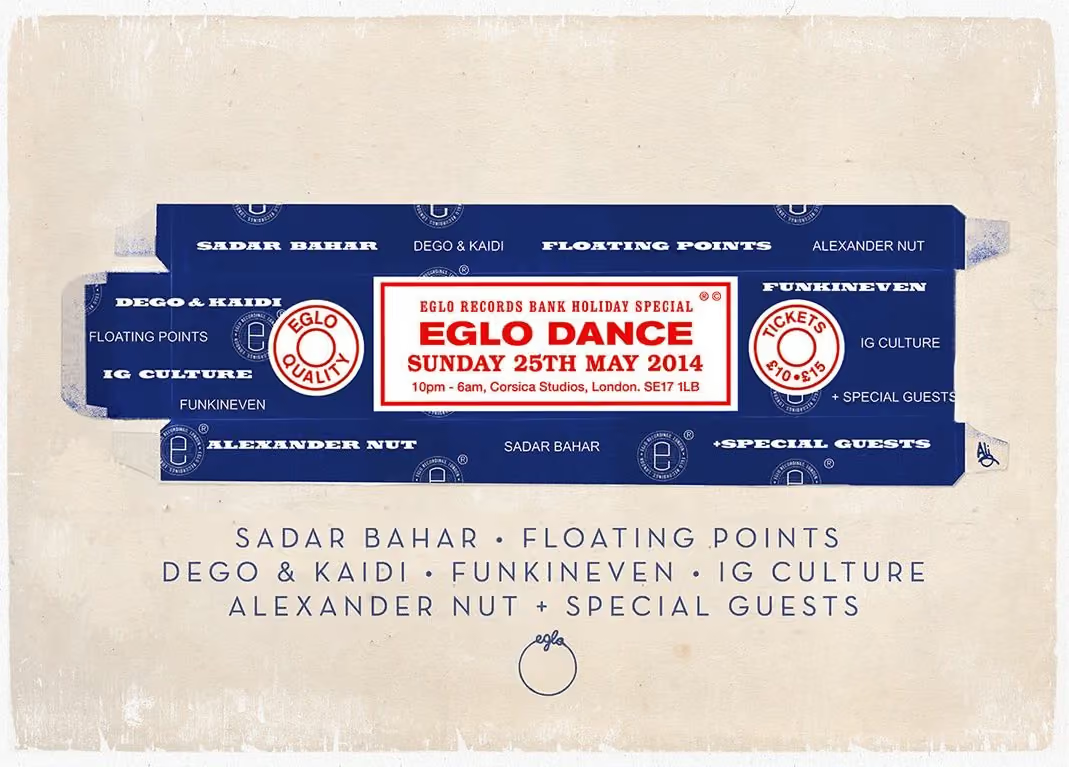
On fait très attention aux lieux : le son, la taille, le moment, l’emplacement… Tout compte. On a commencé à Plastic People, puis on a continué à Corsica Studios après sa fermeture. J’adore composer des line-ups avec des DJs, producteurs et musiciens que je respecte profondément. Et c’est incroyable de voir de nouvelles générations émerger.
On reste fidèles à nous-mêmes, on agit avec sincérité. Il n’y a pas de hype artificielle. Et du coup, l’ambiance est toujours très forte. Je suis vraiment reconnaissant envers tous ceux qui contribuent des DJs aux danseurs, en passant par les ingénieurs son et la sécurité. J’essaie de créer des événements qui ont du sens.
Tu as déjà joué plusieurs fois en France et à Paris. Comment se passent tes expériences ici ? Ressens-tu des différences avec le Royaume-Uni ?
J’adore jouer à Paris. Vous respectez vraiment les traditions du clubbing et de la danse. Il y a une super énergie, et une vraie appréciation de la culture. Et beaucoup d’excellents danseurs aussi. C’est l’un de mes endroits préférés pour jouer.
On a hâte de t’accueillir le 11 avril. À quoi peut-on s’attendre pour ton set à La Mona ? Et peux-tu nous partager un ou deux morceaux que tu pourrais jouer ?
C’est une conversation entre moi et le dancefloor, donc je n’aime pas trop prévoir à l’avance. Beaucoup de choses influencent la direction que prend un set, surtout l’énergie de la salle.
Je vois ça comme un match de football : tu n’irais pas si tu connaissais déjà le score. Mais tu sais que tu dois tout donner et jouer avec le cœur.
Hi Alex, we recently listened to your DJ set recorded at the We Out Here Festival and really loved it. There are many different influences in there that come together into a mix that makes perfect sense to us : soul, house, boogie… We can really feel that you come from a DJ background where musical choices are carefully curated and the mixing is geared towards keeping the dancefloor moving. Can you tell us how you were schooled as a DJ? How did it all begin, and who were your main influences?
I’ve always seen what I play as a fusion of a few different sounds and styles, from the world of black music,,, synthesised through the experience of growing up as a Hip Hop DJ in the UK, then leaning into different dance music styles.... I started DJ’ing in the late 90’s at 16 years old, I always loved and collected all kinds of music… soul, jazz, funk, rock, rnb, jungle, broken beat etc… but hip hop was one of my main loves at the time I started DJ’iing,,,, I come from that breakbeat continuum. I'm a DJ in the traditional, old school sense. I was inspired by the likes of Massive Attack/Wild Bunch, Soul II Soul, DJ Red Alert, Kenny Dope, Funk Master Flex, Grandmaster Flash, J.Rocc, Kid Capri, etc. .. Growing up in Wolverhampton, which is a small town in the West Midlands, I had no mentor, I didn’t know any other DJ’s, there was no Internet, just the radio, mixtapes and magazines. I had to work it for myself, but around the same time I was also going out to a lot of different club nights, playing more dance music and ‘electronic’ stuff. .. House, Jungle and Techno and stuff like that… so it all kind of merged into one thing for me. I cut my teeth playing on pirate radio. And from the age of 16 to like 30 I was literally out in night clubs week in week out, on the dance floor … just soaking up different sounds that inspired me. When I moved to London in the early 2000’s I started going to Plastic People and that club took a hold of me, and influenced my DJ style massively. It encouraged me to lean even further into my own particular niche… and just really be myself… and express and share my interests and personality, musically. I’ve heard it described as ‘join the dots’ music… everything I play, whatever style or genre … it all kind of makes sense to me, and relates and follows a common thread. And if I'm playing out in a night club, then I'm playing music to make people dance. These days i'm playing a lot of House, Soul, Jazz and Broken Beat. … but my passion and interest in music is open, I'm down for it all.
You’ve been running Eglo Records since 2008 (the same year La Mona started, by the way). Do you feel part of a lineage of forward-thinking labels like Warp or Ninja Tune that have shaped a distinctive take on UK dance music? Is that something that matters to you?
The labels that have inspired me are Reinforced, Def Jam, Metroplex, Metalheadz, Talkin Loud, People, Stones Throw, Curtom, Motown, FFRR, Sound Signature, Fania… there's loads more, the range of style varies just as much as the music I play. But I feel they all capture a particular energy, and have a really unique and identifiable tone. It would be easy to just reach out to random artists that make great music, but I always wanted to curate something that captured an energy and a moment. And push the envelope a bit as they say. And I think we did that.
Did you go to many clubs before becoming a DJ? If so, which ones left the strongest impression on you?
Yes! I was out in clubs non stop for about 20 years straight. And I still am, but I'm just DJ’ing in them more now. Some notable clubs and club nights for me, in chronological order are / were… Stump Juice, at the Connaught Hotel, Wolverhampton. RAW, Rico’s Nightclub, Wolverhampton. The Medicine Bar at the Custard Factory in Birmingham. Movement at Bar Rumba, Various nights at Herbal, London. Fabric Live, London. Various BBE parties and jams in London, notable nights at the Key and The Cross in Kings Cross. Various nights at Plastic People including FWD, CDR, Theo Parrish, Co-Op, Nonsense, Lost, and more. Deviation at Gramophone. Loads of stuff at Cargo in London back in the day. Mr Scruff at Band On Wall in Manchester.
You’ve also organized and promoted your own club nights around the label. How important are these nights to you and to the Eglo community?
I’ve been promoting parties for a long time. But it's particularly special to do the label nights, to have a community of people to create and share and dance with. Being specific about the places we do those parties, to ensure all the elements are right, the right sound, the right size, the right time and location. We started out at Plastic People, then moved them over to Corsica Studios when Plastic closed. I get to indulge in crafting a line up of DJ’s, producers and musicians who I really respect and admire. And it's amazing to see new phases and new generations come through too. We stick to what we know, and speak from the heart. Carrying on a tradition. There's no hype, smoke and mirrors or follow fashion business. And as a result we always have a really great vibe in our dances. I'm really grateful to everyone who contributes and makes it happen, from the DJ, to the dancers, to the security and sound engineers. I try to curate meaningful and special events.
You’ve played in France and in Paris a few times already. How has your experience been here as a DJ? Do you notice any differences compared to the UK?
I love playing in Paris, you guys really follow the real traditions of clubbing and dancing. There's great energy in Paris. You really appreciate the culture. Lots of dope dancers too. One of my favourite places to play.
We’re really looking forward to welcoming you on April 11th. What can we expect for your set at La Mona? And would you like to share one or two tracks you might bring with you for the night?
It's a conversation between me and the dance floor, I never like to pre-meditate it too much. There's a lot of factors that contribute to what I might play on the night and the direction I might take it. Based on the energy in the room. I like to think of it like a football match, you wouldn’t go if you already knew what the score was gonna be. But you know you gotta give it your all, and put your heart into it.
I’ve been playing this track out a lot lately and really enjoying it, I'm sure it will be in the box for La Mona.
RAHAAN Presents GREGORY CARMOUCHE & CHERRELLE CHERISOUL SULLIVAN "IT IS WHAT IT IS" (INSTR. REMIX)